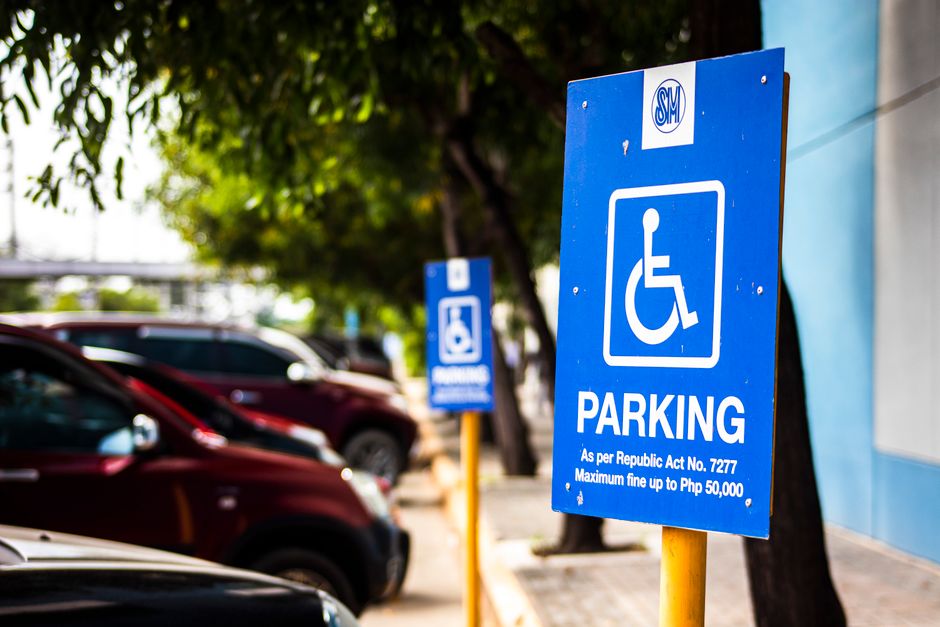
Holland Park parking restrictions and fines for removals vans
If you are moving in or out of Holland Park, parking can become the part of the day that causes the most stress. One missed bay, one expired restriction, one impatient neighbour behind the van, and suddenly the whole move feels harder than it should. That is why understanding Holland Park parking restrictions and fines for removals vans matters before the first box is lifted.
This guide explains how loading, waiting, permit, and enforcement issues usually affect removals vans in the area, what to watch for, and how to reduce the risk of a fine. It is written for real moving days, not theory. So whether you are planning a flat move, a house relocation, or a same-day turnaround, you will know what to check, what to prioritise, and where the common traps tend to be.
To keep things practical, we will cover the basics, the risk points, a simple step-by-step approach, and a checklist you can actually use on the day. A move should be busy, not chaotic. Let's make the parking side less of a headache.
Table of Contents
- Why Holland Park parking restrictions and fines for removals vans Matters
- How Holland Park parking restrictions and fines for removals vans Works
- Key Benefits and Practical Advantages
- Who This Is For and When It Makes Sense
- Step-by-Step Guidance
- Expert Tips for Better Results
- Common Mistakes to Avoid
- Tools, Resources and Recommendations
- Law, Compliance, Standards, or Best Practice
- Options, Methods, or Comparison Table
- Case Study or Real-World Example
- Practical Checklist
- Conclusion
- Frequently Asked Questions
Why Holland Park parking restrictions and fines for removals vans Matters
Parking restrictions in Holland Park matter because removal work is rarely quick, quiet, or neatly timed. A removals van needs space for loading, door access, and repeated trips between the property and the vehicle. That means the van is often parked in exactly the kind of place where local restrictions can become a problem: red routes, resident bays, pay-and-display spaces, loading-only areas, controlled hours, and access constraints near narrow streets or busy junctions.
For the customer, the risk is not just the penalty. It is the delay. If a van has to move every few minutes, the crew loses momentum. If the driver has to circle for a legal stopping point, the move slows down. If a fine lands later, the whole job feels more expensive than expected. Truth be told, that is the bit people remember most.
For a removal company, good parking planning is part of basic service quality. A professional team should think ahead about access, timing, vehicle size, and the quickest legal way to load. That is one reason customers comparing man and van services, removal services, or a larger moving truck should ask parking questions early, not on moving morning when everyone is already carrying sofas downstairs.
There is also a neighbourliness angle. A van left badly parked can block traffic, frustrate residents, and create a messy scene outside the property. Nobody wants to be the person holding up a road at 8:15 on a weekday while a mattress tries to make a turn it clearly cannot make. The better the parking plan, the calmer the whole street feels.
How Holland Park parking restrictions and fines for removals vans Works
In simple terms, restrictions control where a removals van may stop, how long it may stay, and whether loading or unloading is allowed at that location and time. Fines usually arise when a vehicle stops somewhere it should not, stays longer than permitted, or uses a restriction incorrectly. In London, that can happen fast, especially if a driver assumes a space that looks free must be fine to use. It often is not.
The exact rules can vary by street, bay, time of day, and local enforcement layout. So the safest approach is never to guess. A loading bay may be available at one time and unavailable at another. A single yellow line may permit brief loading in some circumstances, but not parking. Resident permits may not cover commercial loading. Double yellow lines have their own restrictions. And on some streets, the practical reality is that the van can only stop long enough to work if the timing, signage, and road layout all line up properly.
For removals vans, three things usually matter most:
- Stopping rights - whether loading is permitted where the van is placed.
- Timing - whether restrictions apply only at certain hours or days.
- Execution - whether the crew can load fast enough to stay within what is allowed.
That last point sounds simple, but it is where real-life moves get messy. A team can do everything right and still run into trouble if the route is blocked by a delivery vehicle or the only workable space is too far from the front door. So, in practice, parking compliance is a mix of planning, local knowledge, and a bit of timing luck. You can improve your odds, though.
If you are arranging a flat move, it can help to review the scope of access early with a provider that understands local moves, such as flat removals or house removals. For smaller jobs, a removal van or man with a van setup may be easier to position than a larger vehicle. That does not remove the need for care, but it does change the practical parking equation.
Key Benefits and Practical Advantages
Getting the parking side right gives you more than compliance. It makes the move smoother from the first minute to the last. The benefits are real, and you notice them quickly.
- Fewer delays - the crew can keep moving instead of repeatedly re-parking.
- Lower risk of fines - which protects your budget and avoids awkward after-the-fact costs.
- Better loading efficiency - less walking, less carrying, fewer near-misses with heavy items.
- Less stress for residents and neighbours - especially important in tight streets or shared blocks.
- Safer handling of goods - when the van is close to the entrance, there is less chance of dropped items or rushed lifting.
There is another quiet benefit too: confidence. When everyone knows where the van will stop, who is checking the signs, and what to do if the bay is occupied, the move feels organised. That calm matters. You will notice the difference in the first ten minutes.
For more involved jobs, parking planning becomes even more important. A team handling commercial moves, office removals, or a larger removal truck hire booking needs room for manoeuvre. The bigger the vehicle and the more items involved, the more costly a parking mistake becomes.
Who This Is For and When It Makes Sense
This topic matters to more people than you might think. Not just the person with a van keys in hand, either.
- Home movers who need legal, close access outside a flat or house.
- Tenants in flats where parking is tight and loading time is limited.
- Landlords and letting agents who want a tidy move-out with minimal disruption.
- Students moving in or out on a deadline, often with little buffer time.
- Office teams shifting equipment, desks, and boxes without disrupting a whole street.
- Furniture collection customers who need a short, efficient stop for bulky items.
It makes sense to focus on parking restrictions whenever:
- the property is on a narrow or busy road,
- the move involves a larger van or truck,
- there are multiple heavy items,
- you expect the job to take more than a few minutes, or
- there is any uncertainty about loading rules.
If you are managing a student move or a short-notice booking, consider services designed for speed and flexibility, such as student removals or same day removals. Those situations often need sharper parking planning than people expect. One missed window and the day slips away.
Step-by-Step Guidance
Here is a simple way to handle Holland Park parking restrictions and fines for removals vans without turning the day into a guessing game.
- Check the property access first. Look at the street outside the building, not just the postcode. Is there space to stop? Is it a one-way road? Are there signs restricting loading or waiting?
- Confirm the vehicle size. A small van and a larger lorry behave very differently in a tight London street. Choose the vehicle that fits the access, not the one that feels most impressive.
- Plan the loading point. Decide where the van should stop and how far the carry is likely to be. Shorter carries reduce risk and time pressure.
- Check the timing. Some restrictions only matter at certain times. A move at 10 a.m. can be very different from one at 3 p.m.
- Assign one person to parking awareness. The driver, foreman, or moving lead should be watching signs and surroundings. Too many people trying to manage it usually makes things worse. Funny how that works.
- Keep items ready before the van arrives. If boxes are still being taped when the vehicle is parked, the loading period stretches and risk rises.
- Move quickly but safely. The goal is legal efficiency, not rushing with awkward furniture through a front door while everyone is out of breath.
- Have a fallback plan. If the first spot is unavailable, know where the next legal stopping point is before the van arrives.
For moves involving lots of wrapping, dismantling, or fragile items, parking and packing should be planned together. A team that offers packing and boxes or packing and unpacking services can often keep the load moving faster, which reduces the time the van needs to stay in place.
Expert Tips for Better Results
A few small habits can save a surprising amount of trouble. Most are simple, but the simple things are often what gets missed.
- Arrive slightly earlier than you think you need to. A five-minute buffer can save a lot of pressure if the road is busier than expected.
- Take a quick walk around the block. It sounds basic, but a lot of good parking options are visible only when you look beyond the front door.
- Use the lightest route for the heaviest items. If one entrance is easier than another, build the move around it.
- Keep the van loading area clear. Bags, bins, and loose boxes around the stop point make everything slower.
- Choose a provider that understands local access. The difference between a generic operator and a local operator can be huge in a place like Holland Park.
- Ask about insurance and safety. Parking issues and carrying heavy items are both part of move-day risk. A good provider should be able to talk plainly about this, which is why pages such as insurance and safety and health and safety policy matter to sensible customers.
One small professional habit stands out: if a van is likely to be checked or challenged, the crew should be able to explain what they are doing and why. Calm, clear, and brief. No drama. Just competence.
Common Mistakes to Avoid
Most fines and delays come from a handful of very ordinary mistakes. Nothing dramatic. Just avoidable.
- Assuming a free space is automatically usable. It is not. Signs and lines still matter.
- Leaving parking planning until the morning of the move. By then, you are reacting instead of controlling the day.
- Using the wrong vehicle size. Too large and you cannot position it properly; too small and you end up making extra trips.
- Ignoring loading time. Even if stopping is allowed, overstaying is often where trouble begins.
- Forgetting about neighbours or deliveries. A legal stop can still be impractical if it blocks access or creates conflict.
- Not checking the restrictions near the property entrance. A restriction one house away can still affect your loading plan.
- Assuming someone else has handled it. This happens a lot with shared flats and office moves. Then nobody has actually checked.
Another mistake is treating the parking issue as separate from the rest of the move. It is not separate. It shapes the pace, the safety, and the final bill. That is the honest answer, even if it is not the cheerful one.
Tools, Resources and Recommendations
You do not need fancy equipment to manage parking well, but you do need a decent process. A few practical things help.
- Move notes - write down the access point, the preferred stopping spot, and any timing constraints.
- Photos of the street - useful if you are planning in advance and want to brief the moving team.
- Box labels - they speed up loading, which can reduce the time the van stays parked.
- Contact details for the mover - direct communication is useful when the road is busier than expected.
- A fallback parking plan - even one extra legal option can save the day.
If you need a full-service move, a business like removals or removal services may be a better fit than trying to coordinate every small detail yourself. If you are clearing furniture, look at furniture removals or furniture pick-up. For longer gaps between move-out and move-in, storage can take the pressure off and let you plan the loading window more carefully.
And for businesses, especially those moving desks or equipment, office relocation services can be worth the extra structure because the parking side of an office move often gets complicated fast.
Law, Compliance, Standards, or Best Practice
Parking and loading rules in London should be treated as real compliance issues, not just inconvenience. The exact restrictions depend on the location and the signage in force at the time, so the safest approach is to read and respect the local signs rather than relying on assumptions or old habits.
As a best-practice standard, removal operators should:
- plan the vehicle position before arrival where possible,
- use only lawful stopping or loading arrangements,
- avoid blocking access unnecessarily,
- work efficiently once parked, and
- keep the customer informed if conditions change.
Customers also have a role. If you are booking a move, give the company the clearest possible access information. Mention narrow roads, permit areas, front-garden steps, basement entrances, and any time limits from the building. A good operator can only plan well if they know what they are walking into.
For peace of mind, it helps to choose a company that is transparent about policies, including terms and conditions, pricing and quotes, and payment and security. That does not magically remove parking restrictions, of course, but it does reduce surprises. And moving day already has enough of those.
Options, Methods, or Comparison Table
Different moving setups handle Holland Park parking restrictions in different ways. The best choice depends on access, volume, and timing.
| Option | Best for | Parking advantage | Possible drawback |
|---|---|---|---|
| Small removal van | Flats, student moves, smaller loads | Easier to position in tight streets | May need more trips if the load is large |
| Man with a van | Quick local moves, lighter furniture | Flexible and usually fast to load | Less capacity for bulky household items |
| Full removals team | Whole-house or larger flat moves | More organised loading can shorten stop time | Needs sharper advance planning |
| Removal truck hire | Large moves, business relocations | Good for bigger volumes if access allows | Harder to manoeuvre on narrow roads |
There is no universal winner. A tiny van may be perfect for one address and hopeless for another. That is why the access conversation matters so much. If your move is happening in a compact building or a busy street, smaller often means smarter. If the job is bigger and the street can take it, a larger vehicle may reduce the number of stops. Simple enough, but worth saying plainly.
Case Study or Real-World Example
Imagine a flat move on a weekday morning. The customer has packed carefully, but the street is narrow and there is a steady flow of delivery vans. The first instinct is to park as close as possible to the entrance. Sensible, but not always legal or practical. The moving team checks the road layout, finds that a nearby stopping point would block too much traffic, and instead uses a legal loading position a short walk away.
At first, that sounds less efficient. In practice, it works better. The crew keeps the route clear, loads in a steady rhythm, and avoids the stop-start hassle of moving the van every few minutes. The customer is a little nervous at the beginning, naturally, but the day settles down once everyone understands the plan.
Now compare that with a second move where nobody checked the signs in advance. The van stops in what looks like a useful space, but it turns out the restriction timing is tighter than expected. The driver has to move quickly, the boxes are still coming downstairs, and the whole process becomes hurried. No one enjoys that. And yes, it can get expensive.
The lesson is not that parking is impossible. It is that small planning decisions change the whole feel of the day. A bit of care upfront can save a lot of money and a lot of noise.
Practical Checklist
Use this checklist before and on the day of the move:
- Confirm the full property address and entrance point.
- Check whether the road is narrow, one-way, or busy.
- Choose a van or truck size that fits the access.
- Identify a legal loading or stopping plan.
- Note any time-based restrictions or building rules.
- Tell the moving team about stairs, lift access, or long carries.
- Pack and label boxes early so loading is faster.
- Keep key items aside for quick access.
- Have a backup parking option in mind.
- Keep communication open if conditions change on the street.
A quick last check in the morning can save the whole operation. It really can.
Conclusion
Holland Park parking restrictions and fines for removals vans are not the glamorous part of moving, but they are one of the most important. The right parking plan protects your time, your budget, and your sanity. It also helps the crew work safely and keeps the street experience smoother for everyone involved.
If you remember only one thing, make it this: do not leave parking to chance. Decide where the van should stop, how long it is likely to stay, and what the fallback plan is before the first box comes downstairs. That one bit of planning can turn a fraught move into a manageable one.
Get a free quote today and see how much you can save.
And if you are still staring at the road outside your property wondering how it will all fit, that is normal. A lot of moving days start with a small knot in the stomach and end just fine. One sensible step at a time, and you'll get there.
Frequently Asked Questions
Do removals vans need special permission to park in Holland Park?
Sometimes yes, sometimes no. It depends on the exact street, the type of restriction, the time of day, and whether the stop is for legal loading or general parking. You should always check the signs and plan access carefully rather than assuming commercial loading is automatically allowed.
Can a removals van stop on double yellow lines to load?
In some circumstances, loading may be tolerated, but that does not mean it is always safe or appropriate. The key is to check the local restrictions and make sure the stop is genuinely for loading, not waiting. If the move is likely to take longer, a proper loading bay or other legal space is usually better.
What causes fines for removals vans most often?
The most common causes are stopping where the restrictions do not allow it, overstaying a permitted loading period, or using the wrong type of bay at the wrong time. Poor planning around access is usually behind the problem, not the lift itself.
How can I reduce the chance of a parking fine on moving day?
Check the street in advance, choose the right vehicle size, keep the load ready before the van arrives, and make sure someone is responsible for watching parking conditions. A short walk around the road beforehand can be surprisingly useful.
Is a smaller van better for Holland Park moves?
Often, yes, especially for tight streets or flats with limited access. A smaller van is easier to position and may reduce the risk of blocking traffic. But if the load is large, too small a van can create extra trips, so balance matters.
What should I tell the removals company before the move?
Tell them about the street layout, any signs or restrictions you have noticed, the floor level, whether there is a lift, and how far the van may need to stop from the entrance. The more accurate the access information, the better the parking plan will be.
Are same-day removals harder to park for?
They can be, because there is less time to pre-plan and fewer opportunities to adjust the schedule. That is why same-day jobs benefit from a flexible vehicle and a team that can respond quickly to changing street conditions.
Do office moves face the same parking problems as home moves?
Yes, and sometimes more so. Office moves often involve larger volumes, more people arriving and leaving, and a bigger need for timed loading. That is why office relocations need a tighter access plan from the start.
Can I use storage to make parking easier?
Yes. Storage can reduce the amount of furniture and boxes that need to be loaded and unloaded in one go. That can shorten the parking window and make the whole move less rushed, which is helpful in a busy area.
What is the best way to book a removals service for Holland Park?
Choose a provider that asks detailed access questions, gives clear pricing, and understands local parking constraints. If the company is careful at the quoting stage, that is usually a good sign. It means they are thinking beyond the obvious.
Do I need packing help if parking is limited?
It is not essential, but it can help a lot. Well-packed, clearly labelled boxes load faster, and that reduces the time the van needs to stay parked. Services like packing and boxes or packing and unpacking services can make a bigger difference than people expect.
What if the legal parking space is still too far from the door?
Then you need to adjust the plan rather than forcing the van into a bad spot. That may mean using a smaller vehicle, reorganising the load, bringing in extra help, or scheduling more time. It is better to slow down slightly than to gamble on a fine.