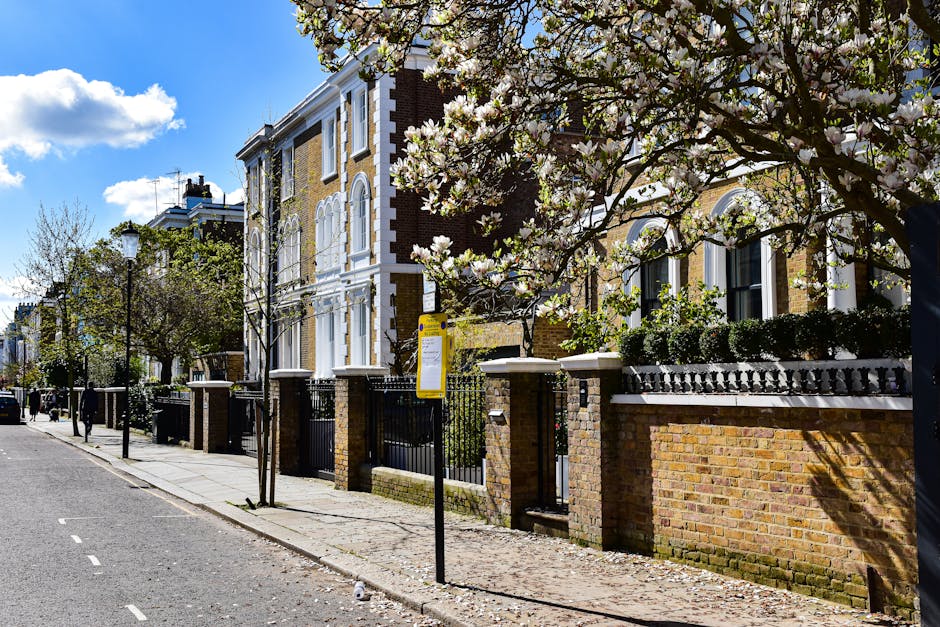
Kensington and Chelsea Council permits for Holland Park removals: what you need to know before moving day
If you are planning a move in Holland Park, there is a good chance you will need to think about Kensington and Chelsea Council permits for Holland Park removals before the first box leaves the flat. That sounds a bit formal, I know, but it matters more than many people expect. In this part of West London, parking is tight, access can be awkward, and a badly planned removals vehicle can turn a simple move into a long, stressful day.
This guide explains what the permit issue actually means, when it applies, how it supports a smoother move, and what practical steps help you stay out of trouble. We will also cover the usual mistakes, timing worries, and the small details that make a real difference on the day. If you are moving from a mansion block, a period terrace, or a compact apartment near the park, this is the sort of planning that saves a lot of faff later.
Table of Contents
- Why Kensington and Chelsea Council permits for Holland Park removals Matters
- How Kensington and Chelsea Council permits for Holland Park removals Works
- Key Benefits and Practical Advantages
- Who This Is For and When It Makes Sense
- Step-by-Step Guidance
- Expert Tips for Better Results
- Common Mistakes to Avoid
- Tools, Resources and Recommendations
- Law, Compliance, Standards, or Best Practice
- Options, Methods, or Comparison Table
- Case Study or Real-World Example
- Practical Checklist
- Conclusion
- Frequently Asked Questions
Why Kensington and Chelsea Council permits for Holland Park removals Matters
Let's face it: removals in Holland Park are rarely just about lifting furniture and loading a van. The bigger issue is usually access. Streets can be busy, bays can be limited, and a vehicle parked in the wrong place may cause delays, complaints, or even a penalty. A council permit is part of keeping the move lawful and orderly, especially where loading or parking restrictions are in play.
For many movers, the permit question is not about bureaucracy for the sake of it. It is about avoiding the classic moving-day headache: the van arrives, the crew is ready, and then everyone realises there is nowhere legal to stop. Suddenly, what should have been a neat two-hour operation becomes a slow shuffle of boxes in and out of a tight kerbside slot. Nobody enjoys that. Not the driver, not the residents, and certainly not the person moving.
In Holland Park, the margin for error is often small. Period properties, apartment buildings, managed estates, and narrow streets all create access constraints. A sensible permit plan helps you manage those constraints rather than react to them at the kerb.
Expert summary: if your removals vehicle needs to wait, load, or unload where parking is restricted, a permit or an agreed parking arrangement can be the difference between a smooth move and a day full of avoidable friction.
How Kensington and Chelsea Council permits for Holland Park removals Works
At a practical level, the process usually starts with identifying where the vehicle will stop, for how long, and whether the location is subject to restrictions. Depending on the street and the nature of the move, you may need a parking dispensation, a suspension, or some other form of approval linked to the council's local controls. The exact route can vary, which is why it is worth checking early rather than hoping for the best.
Think of it this way: a removals permit is not just about a piece of paper. It is about matching the move to the street. A small van with a couple of movers may fit one scenario; a larger vehicle, a long carry, or multiple arrivals may require more planning. That planning often includes building access times, lift use, loading point distance, and any restrictions on waiting.
For a typical Holland Park move, the workflow usually looks like this:
- Review the move location and identify parking or loading constraints.
- Confirm the size and type of removals vehicle being used.
- Check whether any on-street stopping or loading needs approval.
- Apply for the correct permit or make the necessary arrangements in advance.
- Coordinate the permit timing with the removals team and building access.
- Keep any confirmation handy on moving day in case it is needed quickly.
Some people assume this only matters for large household moves. Not really. Even smaller moves can run into trouble if the loading point is restricted or if the van needs to stay for longer than a quick drop-off. A short move can still be a permit move.
If you are also organising packing, it can help to use packing and boxes support so the vehicle is loaded efficiently once it arrives. Faster loading means less time parked, which is exactly what everyone wants in a controlled street.
Key Benefits and Practical Advantages
The biggest benefit is simple: fewer moving-day surprises. But there are a few more practical gains worth spelling out.
- Better time control: when a stopping arrangement is already sorted, the crew can work to a plan rather than hunting for a legal space.
- Less risk of delay: delays in Holland Park often come from access, not loading. A permit plan cuts that risk down.
- Cleaner coordination: a permit helps align the driver, movers, building manager, and resident so nobody is guessing.
- Reduced stress: truth be told, people feel calmer when they know the vehicle has a proper place to stand.
- More professional move: a well-run removals day looks and feels organised, which matters if you are moving valuable items or working to a tight schedule.
There is also a subtle but important point: permits support good relations with neighbours and building staff. In a place like Holland Park, where access can already be a little delicate, that goes a long way. You do not want to be the move that blocks a driveway or leaves a van halfway over a bay while everybody makes apologetic faces through the window. Nobody needs that kind of morning.
If your move is part of a wider home relocation, you may find it useful to review home moves alongside the permit plan so the logistics, packing, and access schedule all line up neatly.
Who This Is For and When It Makes Sense
This topic matters most if your move involves any on-street parking, restricted access, or a building where loading is not straightforward. In Holland Park, that applies to a lot of people. The area has a mix of apartments, family homes, managed buildings, and properties that look lovely but are not always easy to move in and out of. Charming, yes. Easy for a removal van? Not always.
You should think seriously about permits if you are:
- moving from or into a flat with no private driveway;
- using a van that needs to stop close to the entrance;
- arranging a larger household or office move;
- working to a narrow access window set by a building manager;
- moving bulky or awkward items such as a piano, sofa, or wardrobe;
- booking a same-day move and need everything to run in one clean block.
It is also relevant if you are moving out of temporary accommodation, a student property, or a rental with awkward access. In those situations, the route from door to vehicle matters almost as much as the vehicle itself. A short carry can be the difference between a quick lift and a very long afternoon.
For smaller jobs, a man and van arrangement may be sufficient, but it still pays to check whether the stop point is legal and practical. Small vehicle does not automatically mean no permit headache. Sadly, parking does not care how small the job feels.
Step-by-Step Guidance
If you want to handle Kensington and Chelsea Council permits for Holland Park removals properly, the safest approach is to work backwards from moving day. Start with the access question first, then build the rest of the schedule around it.
- Assess the street and building access. Look at the road layout, loading options, bay restrictions, height limits, and the distance from pavement to front door.
- Define the vehicle size. A small van, medium van, and larger removals truck all create different parking needs. Do not guess. Measure the move against reality.
- Confirm the moving window. Check the time you can access the property, when lifts are available, and whether the building has any rules about noise or service access.
- Identify the permit requirement. Work out whether the move needs a dispensation, suspension, or another parking arrangement. If you are unsure, ask early.
- Build the booking around the permit. Your removals booking should match the permitted stop time, not the other way around.
- Prepare the load properly. Boxes should be labelled, fragile items protected, and furniture disassembled if required. Efficient loading reduces stress and time at the kerb.
- Keep key documents close. Any confirmation, building instructions, or access notes should be ready in case the driver or building staff need them.
- Do a final check the day before. Weather, roadworks, and building access changes can affect the plan. A quick review can save you a lot of grief.
A small but useful habit: photograph the loading area a day or two before the move. It helps you remember exactly where space is tight, where the kerb drops, and whether there is enough room for safe unloading. It sounds minor, but in real life those tiny observations are often the difference between a clean arrival and a messy one.
Expert Tips for Better Results
After enough moves, a pattern emerges: the best outcomes usually come from simple, disciplined planning. Not cleverness. Just calm, early decisions.
1. Book access support before you book the truck. If the vehicle cannot legally stop where you need it, the rest of the booking becomes fragile. Always start with access.
2. Choose the right vehicle for the street, not just the load. A bigger truck may seem efficient, but if it cannot fit the street or turn safely, it can slow everything down. Sometimes a smaller van with more trips is the smarter call.
3. Keep the first load highly organised. The first 20 minutes on moving day are critical. Have essentials, documents, and fragile items set aside so the team is not digging around for basics.
4. Check building rules as well as council rules. A permit may cover street access, but the building may have separate instructions about lifts, entry doors, or service bays.
5. Build in slack time. Even good moves run late now and then. A little buffer helps if traffic builds up or if the lift is being used by someone else.
If the move involves valuable or delicate furniture, consider furniture removals so the handling plan is matched to the item type, not just the destination. That matters more than people think.
And one more thing. Keep tea or water nearby for the team. Sounds trivial, maybe even a bit old-school, but a small human kindness on a busy day goes a long way.
Common Mistakes to Avoid
Permit problems tend to come from predictable mistakes. The good news is they are avoidable if you know what to look for.
- Leaving the permit check too late. This is the classic error. By the time the move is imminent, it can be difficult to fix access problems quickly.
- Assuming a small move needs no planning. A couple of boxes can still create a parking issue if the van has nowhere legal to pause.
- Forgetting building restrictions. A good street setup can still fail if the concierge, managing agent, or landlord has separate rules.
- Booking the wrong vehicle size. Too large can be awkward. Too small can mean multiple trips and extra pressure.
- Not coordinating timing with movers. If the permit window and the crew arrival do not line up, time gets wasted very quickly.
- Ignoring fragile or awkward items. Pianos, mirrors, and oversized wardrobes need space, patience, and the right handling.
There is also the "we'll just wing it" approach. It sounds brave at 8 a.m. and much less charming by noon when the driver is circling, the sofa is stuck in the hallway, and someone is asking whether the neighbour's space can be borrowed. Better to avoid that whole scene.
Tools, Resources and Recommendations
You do not need a fancy toolkit to manage a permit-led move, but a few simple resources make life easier. A printed checklist, a floor plan, and a clear contact list are often enough. If you like order, a basic moving spreadsheet can help track timing, access notes, and what is packed where. Old-fashioned? Maybe. Effective? Absolutely.
Helpful things to have to hand include:
- the move date and access window;
- details of the pickup and drop-off addresses;
- vehicle size and estimated arrival time;
- building contact or concierge instructions;
- item list for fragile or high-value belongings;
- any confirmation related to parking or loading arrangements;
- keys, lift codes, and entry instructions in one place.
If you are comparing services, it can also help to look at the wider support available through removal services rather than focusing only on transport. The best move support is usually the one that considers planning, loading, access, and timing together.
For people who need temporary overflow space, storage can be a practical bridge between properties, especially if completion dates do not line up cleanly. That happens more often than people expect. London moves can be a bit like that.
Law, Compliance, Standards, or Best Practice
Because parking and loading are involved, this topic sits close to local compliance and practical best practice. The exact permit route can vary depending on street controls, vehicle size, and the nature of the stop. That is why it is wise to treat the permit question as an operational issue, not a last-minute admin job.
From a best-practice point of view, the aim is straightforward: keep the move safe, lawful, and efficient. In the UK, professional removals planning normally takes into account road restrictions, safe lifting, property access, and the protection of other road users. It is also normal to consider insurance, liability, and whether the crew has the right experience for the items being moved.
A few practical standards are worth keeping in mind:
- Safe loading and unloading: the crew should be able to work without blocking traffic unnecessarily or creating avoidable hazards.
- Accurate timing: permit periods and arrival windows should match real-world conditions, not optimistic guesses.
- Clear communication: everyone involved should know where the van can stop and for how long.
- Insurance awareness: if items are valuable or fragile, make sure you understand how they are being handled and protected.
For more about safety expectations and careful handling, it is worth reviewing the company's insurance and safety information and health and safety policy. Those details matter, especially if you are moving in a busy part of West London where space is limited and a small mistake can snowball fast.
Options, Methods, or Comparison Table
Different moves need different access solutions. There is no one-size-fits-all answer, and that is exactly why a quick comparison helps.
| Option | Best for | Strengths | Watch-outs |
|---|---|---|---|
| Small van with short loading window | Light flats, minimal furniture, quick access | Flexible, easier to position, often simpler on tight streets | May require more trips if the load is larger than expected |
| Standard removals van with permit planning | Typical household moves | Balanced capacity and efficiency; suitable for most urban moves | Needs accurate timing and legal stopping space |
| Larger truck with formal parking arrangement | Full house moves, bulky furniture, office relocations | More capacity, fewer trips, better for complex loads | Harder to place in narrow streets; planning becomes essential |
| Split move with temporary storage | Delayed completions or limited access | Reduces pressure on the day; useful when dates do not align | Requires extra coordination and can add handling stages |
In practice, the smartest option is usually the one that balances access, timing, and the amount of stuff you actually own. Not the biggest truck. Not the cheapest guess. The right fit. That is the sweet spot.
Case Study or Real-World Example
Here is a realistic example. A couple move out of a top-floor flat in Holland Park on a Friday morning. They have a sofa, two beds, several boxes, and a heavy dining table that was definitely bought with optimism. There is no private driveway, the building has a narrow entrance, and the road outside has limited stopping space.
If they wait until the day before to think about access, the move becomes a scramble. The van may arrive early and have nowhere sensible to stop. The building manager may ask for a different entrance. The movers may lose time carrying items from further away than expected. Everything still happens, but it is messier and more tiring than it should be.
Now picture the same move with permit planning in place. The vehicle is sized correctly. The stop point is agreed in advance. Boxes are ready, lifts are booked, and the crew knows exactly what to load first. The move still feels busy - moving always does - but it runs with less friction. You hear doors opening, tape tearing, the occasional careful thud of a box being set down, and the whole thing just flows better.
That is the real value of getting the parking and access side right. It removes tiny sources of stress that would otherwise pile up.
If the move includes a lot of packing or unpacking work, packing and unpacking services can be a useful add-on because they help compress the schedule and reduce the number of separate tasks you need to juggle.
Practical Checklist
Use this checklist in the days before your move. It keeps the permit side and the removals side in the same lane.
- Confirm the pickup and drop-off addresses.
- Check whether street parking or loading will be restricted.
- Match vehicle size to the street and the amount being moved.
- Arrange any necessary permit or access approval in advance.
- Speak to the building manager or concierge if relevant.
- Label fragile boxes and set aside essentials.
- Disassemble large furniture if it will speed up loading.
- Keep keys, codes, and confirmation notes within easy reach.
- Make sure the moving team knows the exact access plan.
- Leave a little time buffer for traffic or building delays.
Quick takeaway: the smoother your access plan, the faster the move feels. That is the whole game, really.
If you need an informed starting point for pricing, timing, or move planning, the page on pricing and quotes is a sensible place to review next.
Get a free quote today and see how much you can save.
Conclusion
Kensington and Chelsea Council permits for Holland Park removals are not just a formal extra. They are part of making a move work properly in a very busy, tightly packed part of London. If you get the access side right early, everything else becomes simpler: the vehicle arrives where it should, the movers can work safely, and your day feels much more controlled.
The main thing is not perfection. It is preparation. A clear permit plan, the right vehicle, good packing, and a realistic schedule can remove a surprising amount of stress. And on moving day, that calm matters. A lot.
So if you are planning a Holland Park move, treat the permit question as one of the first decisions, not the last. Your future self will thank you, probably with a coffee and a relieved sigh.
Frequently Asked Questions
Do I always need a permit for removals in Holland Park?
Not always, but you should never assume you do not need one. If the van will stop on a restricted street, loading bay, or controlled parking area, some form of permission or arrangement may be needed.
What is the difference between a permit and a parking suspension?
In simple terms, a permit can allow a specific activity or stopping arrangement, while a suspension usually restricts normal parking use in a bay or section of road for a set period. The exact terminology depends on the situation.
How far in advance should I plan the permit side of the move?
As early as possible. The earlier you look at access, the easier it is to match vehicle size, timing, and any local restrictions without last-minute panic.
Can a small man and van job still need permit planning?
Yes. Even a smaller move can run into problems if the vehicle has nowhere legal to stop close to the property. Small load, same parking issue. It happens all the time.
What happens if the van cannot park near my building?
The crew may need to carry items further, which can slow the job down and make it more tiring. In some cases, the move may need to be rescheduled or re-planned to fit the access conditions.
Do building rules matter as much as council parking rules?
Absolutely. A building manager may have separate instructions for loading, lifts, service entrances, or arrival times. You need both sides of the plan to work together.
Is a larger removals truck better than a smaller van?
Not automatically. A larger truck can carry more, but it can also be harder to position in a narrow Holland Park street. The best choice depends on access, load size, and timing.
What should I do if my move date changes at short notice?
Contact the removals team and any relevant building contact straight away. Then review whether the access arrangement or permit timing still fits the new date. Quick action matters here.
Can I combine permit planning with packing services?
Yes, and often that is a very sensible idea. Better packing can make loading quicker, which is helpful when access time is limited.
Are permits important for office removals too?
Very much so. Office moves can involve larger vehicles, more items, and stricter timing windows. If you are planning business relocation support, office removals and commercial moves may be especially relevant.
What if I need a move completed quickly?
If the timetable is tight, look at options such as same day removals and make the access plan part of the booking conversation from the beginning. Speed is useful, but only when the logistics are sound.
How do I choose between removals companies for this kind of move?
Choose a provider that understands local access issues, communicates clearly, and can help you think through the street setup as well as the furniture move. That combination is worth a lot in Holland Park.